Carbon Interventions in Agriculture: why carbon finance is critical to the transition to sustainable agriculture and land use
Agriculture, forestry and other land use produce around 11.9 billion tonnes of CO₂e a year, roughly a fifth of global emissions. Farmers are already under pressure from shrinking public funding and a changing climate. Carbon finance can help close the gap, but only if projects are designed around how farms actually work.
In this white paper, EcoSecurities sets out a whole-farm approach to carbon finance. It shows how interventions across land, infrastructure and shared systems can combine into credible projects that bring in new revenue for farmers.
Download the report to find out
- A whole-farm framework: six interconnected farm units, from productive, preserved and degraded land to farmhouse, production processes and crosscutting enablers. Each one is mapped to the carbon methodologies that apply to it.
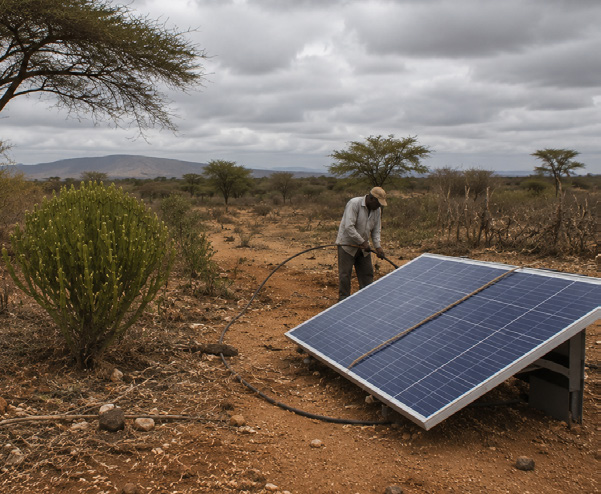
- Real projects from around the world: case studies from Argentina, Paraguay, Zambia, Timor-Leste, Kenya, Morocco and Malawi, covering soil carbon, REDD+, agroforestry, clean cookstoves, solar irrigation, biochar and biogas.
- How to make it work for smallholders: how aggregation, cooperatives, programmes of activities and blended finance bring down costs and open carbon markets to small farms.
- What comes next: the role of digital monitoring, remote sensing and Article 6 in scaling high-integrity agricultural carbon projects.
Who the report for
Policymakers, investors, agribusinesses, development organisations and project developers working on climate and food systems.
Download the full white paper here.